
How Often Does a Septic Tank Need Cleaning?
The honest answer: it depends on your tank size and how many people live in the house. A typical residential septic tank is pumped every 3 to 5 years, and household size drives that number more than anything else. A family of five fills a tank faster than a couple living alone, plain and simple. If you have never scheduled this before, our septic pumping service page walks through what a first visit looks like. Waiting too long is the real risk here in Carmel. Solids build up past the point your filter can handle, and that is when they migrate into the drain field and cause a much bigger repair. If you are not sure where your tank sits on that 3 to 5 year clock, check our guide on how often to pump a septic tank for the signs that tell you it is time. Renovation projects also disturb septic lines more than people expect, so if you are mid-remodel, pair your cleaning with a home renovation porta potty to keep the household running while the crew works.
What Does Septic Tank Cleaning Cost?
A standard residential cleaning in Carmel falls in the same band as most day-rate site service work: expect a service call in the range documented on our septic tank pumping cost page, which breaks the numbers down by tank size and access. Below is what the measured data shows for septic service pricing by visit type.
| service type | price range |
|---|---|
| septic pumping, standard day visit | $150 to $300 |
| septic service, weekend call | $50 to $150 |
Weekend calls carry their own rate because crews are working outside the normal week. If your driveway access is tight or the tank cover is buried under landscaping, that can add time to the visit, so mention it when you request a quote. Grease traps are priced and scheduled differently from residential tanks. If you run a restaurant or commercial kitchen in Carmel, see grease trap pumping instead, since a grease interceptor gets pumped once fats, oils, grease and solids reach 25 percent of the liquid depth, not on a fixed calendar.
Cleaning the Septic Tank Filter: What's Involved?
The outlet filter sits between the tank and the drain field, and it is the part most homeowners forget exists. During a cleaning visit, the crew pumps the tank down, then pulls the filter and rinses it clean of the solids it caught. Skipping the filter step is how tanks that were "just pumped" still back up a few months later. This is different from a portable toilet's holding tank, which runs 60 to 70 gallons and gets serviced on its own schedule under ANSI/PSAI Z4.3, the baseline standard for portable sanitation service intervals. A septic filter needs eyes on it every time the tank is cleaned, not just when something goes wrong. If your property mixes uses, say a farm with hired labor, note that agricultural operations fall under a separate standard: OSHA 1928.110 requires potable water, toilets and handwashing within a quarter mile walk for hand-labor employees, one facility per 20 workers. That is worth knowing if you are running farm and agricultural restrooms alongside your septic system.
Why Does My Septic Tank Need Cleaning Out Now?
Because warning signs do not wait for a convenient time. Slow drains, gurgling pipes and standing water near the drain field all point to a tank that is past due. Our septic tank warning signs page covers the full list, but the short version is: if two or more of those show up at once, call before it turns into a yard problem. Carmel's older neighborhoods often have tanks installed decades ago, and age combined with a missed cleaning cycle is the most common cause of an emergency call. If your system fails outright, our emergency septic service crew responds the same way our emergency porta potty rental team does for backup restroom needs, fast and without a long intake process. Homeowners 7.5 miles north in Westfield and 11.7 miles west in Zionsville call in with the same pattern: a tank that was fine for years, then suddenly wasn't. Don't wait for that call to be yours.

Do I Need a Holding Tank During Septic Work?
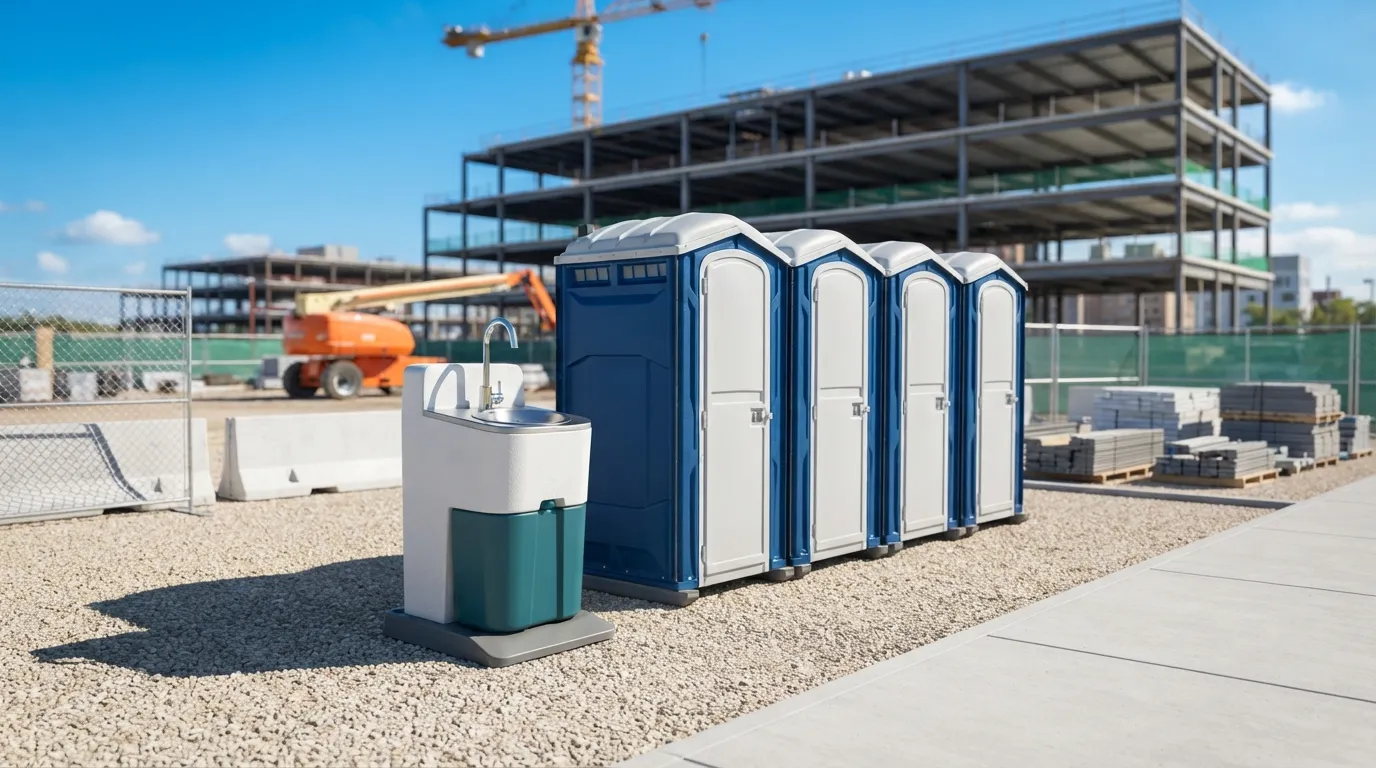
Yes, if the household or job site needs a working restroom while the septic system is offline. A rented holding tank keeps water use going during a pump-out or repair, and our holding tank rental page has the specifics on setup. For construction crews working near a septic line, the same logic applies: you still need sanitation on-site under OSHA 1926.51(c), which sets toilet counts by crew size, one facility for 20 workers or fewer, scaling up from there. If the work site also involves cleanup or debris, pair the plan with a roll-off dumpster rental so trenching spoil and old pipe don't sit around the yard. Homeowners 12.6 miles northeast in Noblesville and 16.5 miles west in Whitestown have used this combination during full septic replacements, tank swap on one side, dumpster on the other. If your project also needs a place for crews to wash up after using any coatings or sealants on new pipe joints, that falls under OSHA 1926.51(f)(1), which covers washing facilities for paints, coatings, herbicides and insecticides specifically. Our handwashing station rental page covers that separately from general sanitation. Carmel building projects that touch a septic line often need both a temporary toilet and a wash station running at the same time, and skipping one usually costs more later than renting it upfront.
How much does septic tank cleaning cost in Carmel?
Residential septic cleaning runs $150 to $300 for a standard day visit, with weekend calls priced separately at $50 to $150. Tight access or a buried tank cover can add time. See septic tank pumping cost for a full breakdown by tank size.
How often should I schedule septic tank cleaning?
Most residential tanks need cleaning every 3 to 5 years, driven by tank size and household size more than anything else. A larger household fills the tank faster. Check how often to pump a septic tank if you are unsure where you stand.
What is the difference between septic cleaning and grease trap pumping?
Septic cleaning empties a residential tank on a multi-year schedule. Grease trap service happens whenever fats, oils, grease and solids hit 25 percent of the liquid depth, which can be weekly for a busy kitchen. See grease trap pumping for commercial scheduling.
Can I get emergency septic service the same day in Carmel?
Yes, emergency calls are handled outside the normal schedule when a tank backs up or fails. Our emergency septic service line exists for exactly this. Weekend and after-hours visits are priced differently than routine day service.
Do I need a permit to have my septic tank pumped in Carmel?
Placement and permit rules vary by property and need confirming with the city directly; we have not verified a specific ordinance for septic pumping access. For general porta potty placement questions, see porta potty permit requirements as a related reference point.

Next step
Get a delivery date
Tell us the address, the dates and the headcount. We size the order and confirm the route.